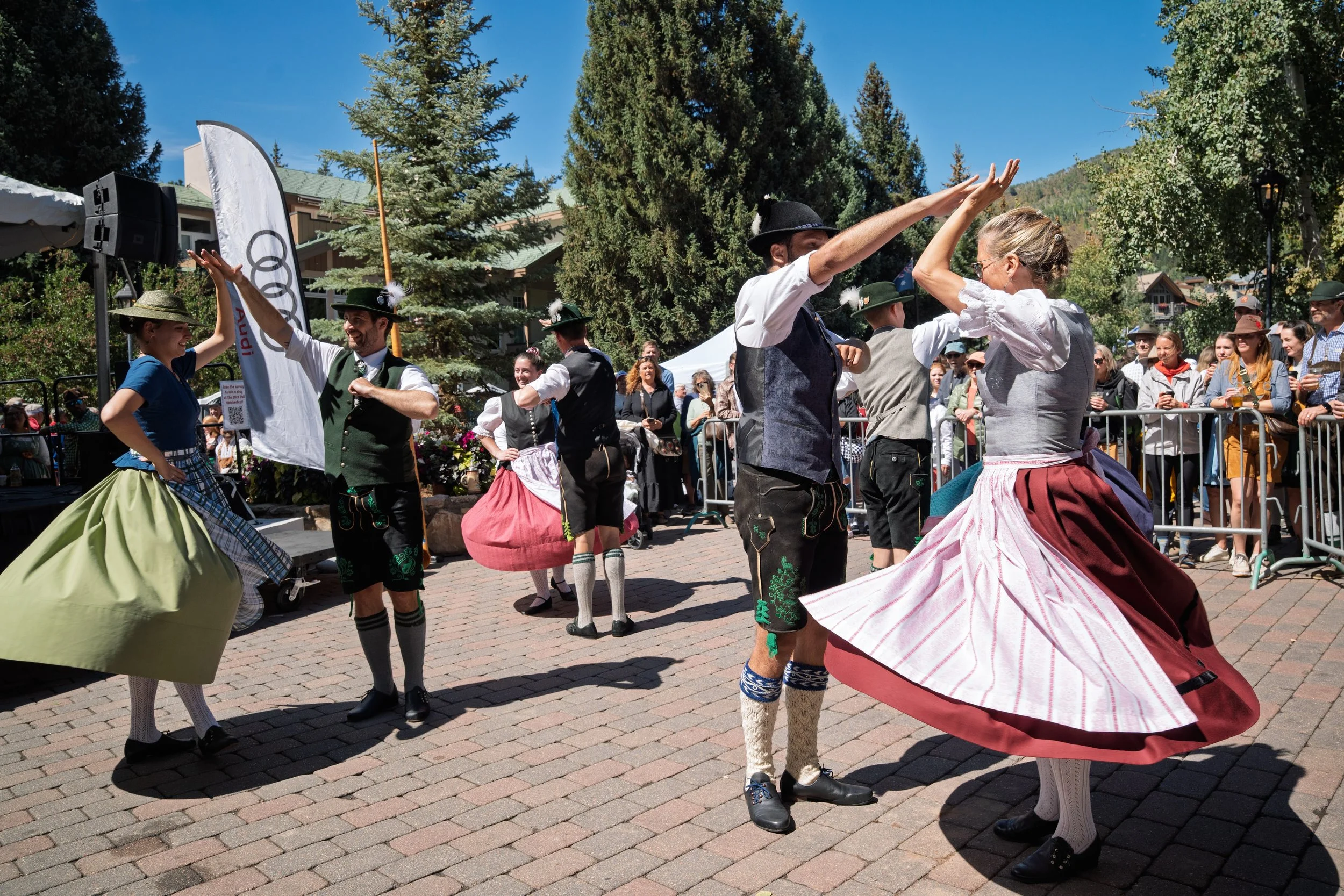
Bringing traditional Bavarian
dancing to Colorado

We are an all-volunteer Schuhplattler group that upholds the traditions, customs, and Tracht (traditional authentic outfits) of the alpine Bavarian region. 

Sharing this unique heritage at local Oktoberfests is just part of what we do. We practice weekly in Denver and participate in regional, national and international Schuhplattler festivals and events. And above all else, we enjoy Gemuetlichkeit (rough translation: friendship and fun).

But what is a Schuhplattler?

The Schuhplattler certainly belongs to the most characteristic of all Bavarian forms of expression. The word "Schuhplattler" has its origins in the fact that the dancer strikes the soles of his shoes ('Schuhe') with his hands held flat ("platt'). The 'inventors' were simple folk: farmers, hunters, woodsmen. It's difficult to determine the exact origin and history of the dance.
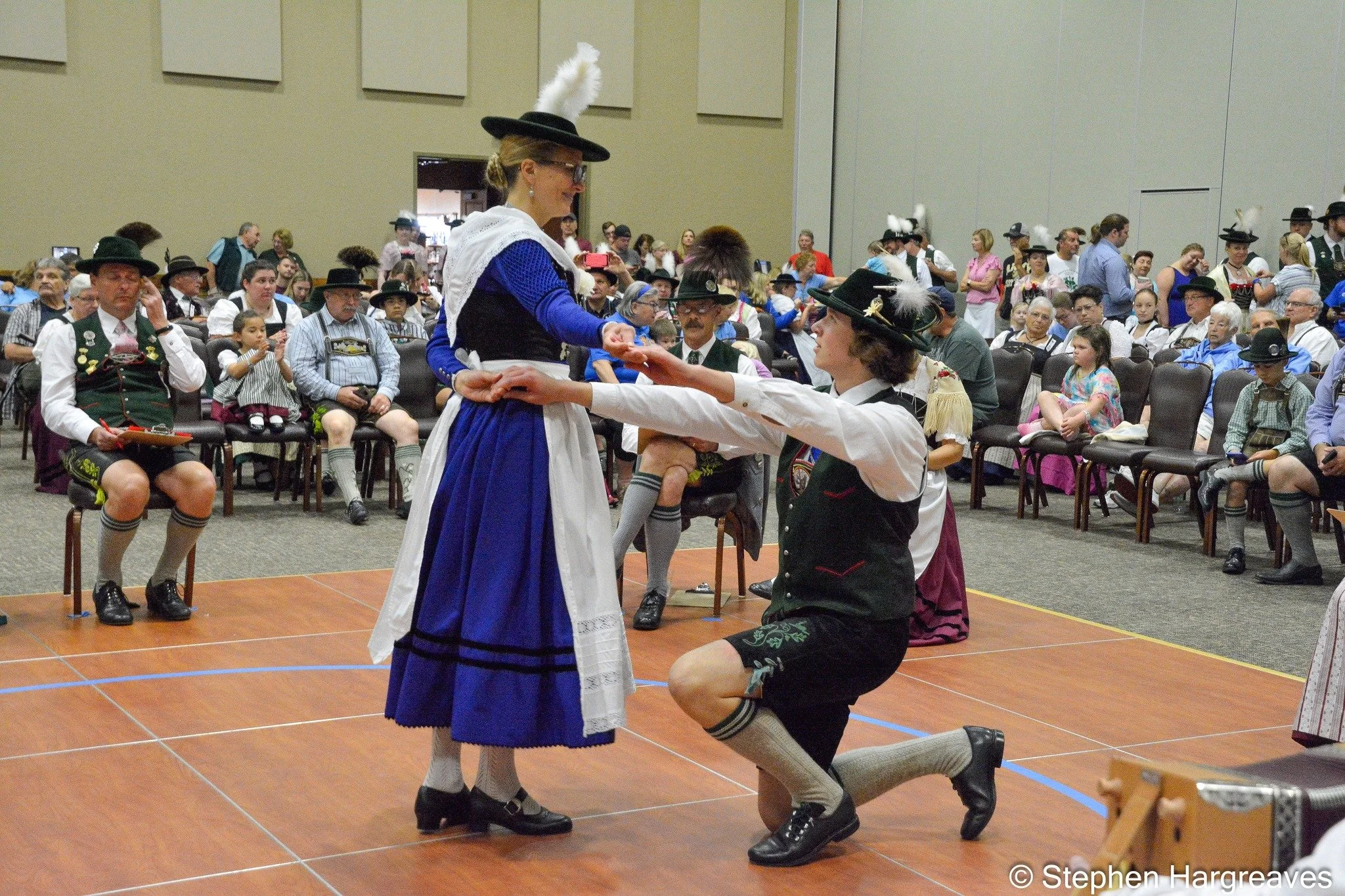
The Schuhplattler began as a courtship dance, with each boy trying to outdo the other's powerful leaps, dancing, and intricate striking sequences to impress the girls. All this originally took place no-holds- barred without any sort of established figures or rules. 

It was later, when the waltz was introduced to the Bavarian region, that women were included in the dance, training to spin so their skirts would form elegant “bell” shapes, and the dance began to form structure. These groups of people became known as “Trachtlers”, from the name of their attire: "Tracht”. These Trachten Vereine (trachten groups) formed all across the Alpine region and have survived ot ths day, each one upholding the traditions of their towns or villages.

Before the schuhplattler, folkstanzes (folk dances) were the common form of dance at any engagement in the region. A Folk dance is a form of community dance. Simple dances designed to be taught easily and performed with anyone interested. There are festivals throughout the summer where the folk dance is performed in parks and beer gardens, where people are encouraged to learn and dance.

While this tradition began centuries ago, there are still numerous groups who uphold these traditions across North America and Germany.

A woman dressed in traditional Bavarian clothing and a man kneeling on one knee in the final figure of a Schuhplattler dance. They are in a large indoor event space with many people wearing traditional Bavarian attire watching the dance.

Watch Us In Action

Check out videos and photos from past performances and dance practices. (And yes, it’s a workout!)
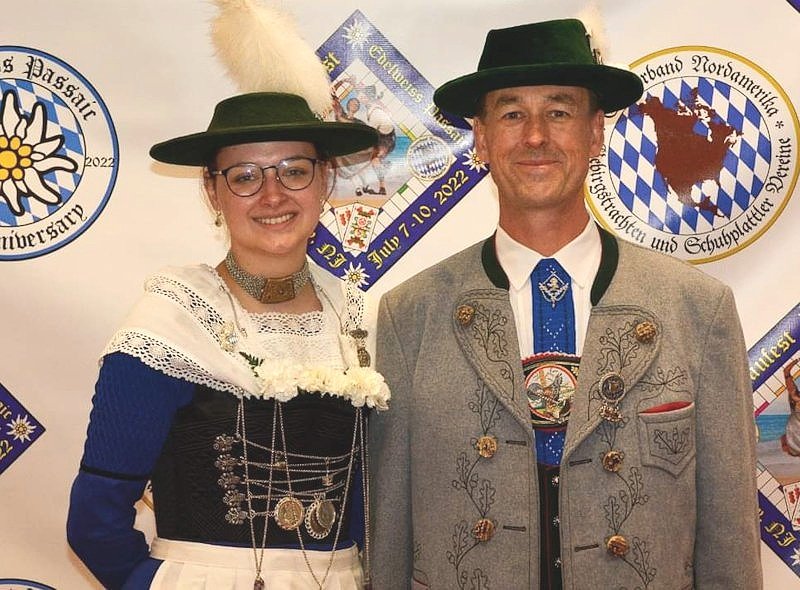
A young woman and a man wearing traditional German attire, including hats with feathers, are standing in front of banners with German text and symbols, celebrating a cultural event.

About Our Group

Our Verein (group) was formed in 2021 by five families who spent their lives dancing and performing with other groups from around the country. 

Hire Us

You don’t need to be German or of German descent to become a Schuhplattler! We practice every Wednesday in Denver, and the Schuhplatter-curious are welcome to attend.

Join Us

We perform traditional folk and Schuhplattler dances at Oktoberfests, festivals and special events around the Denver metro area and Colorado ski resorts.